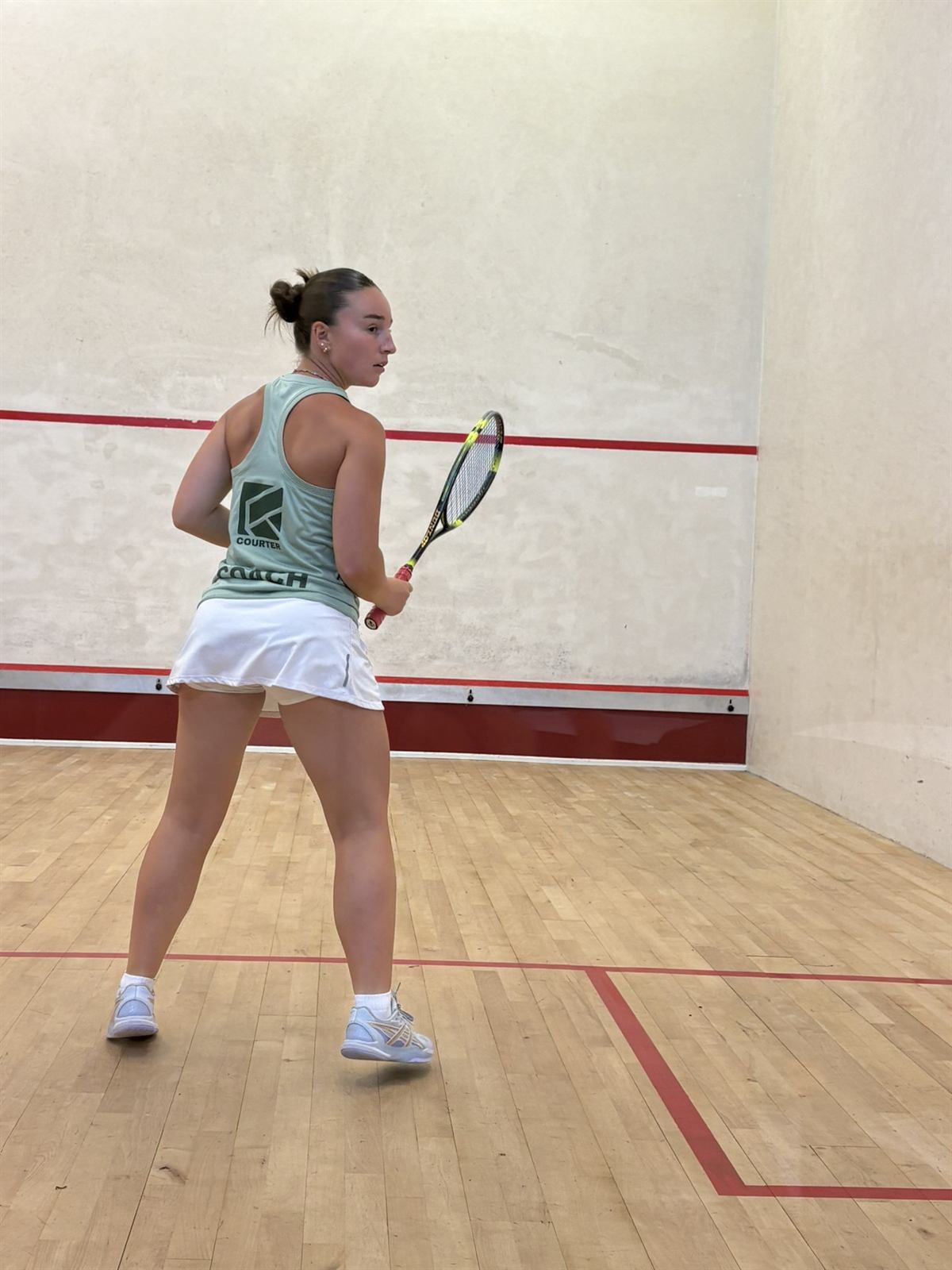
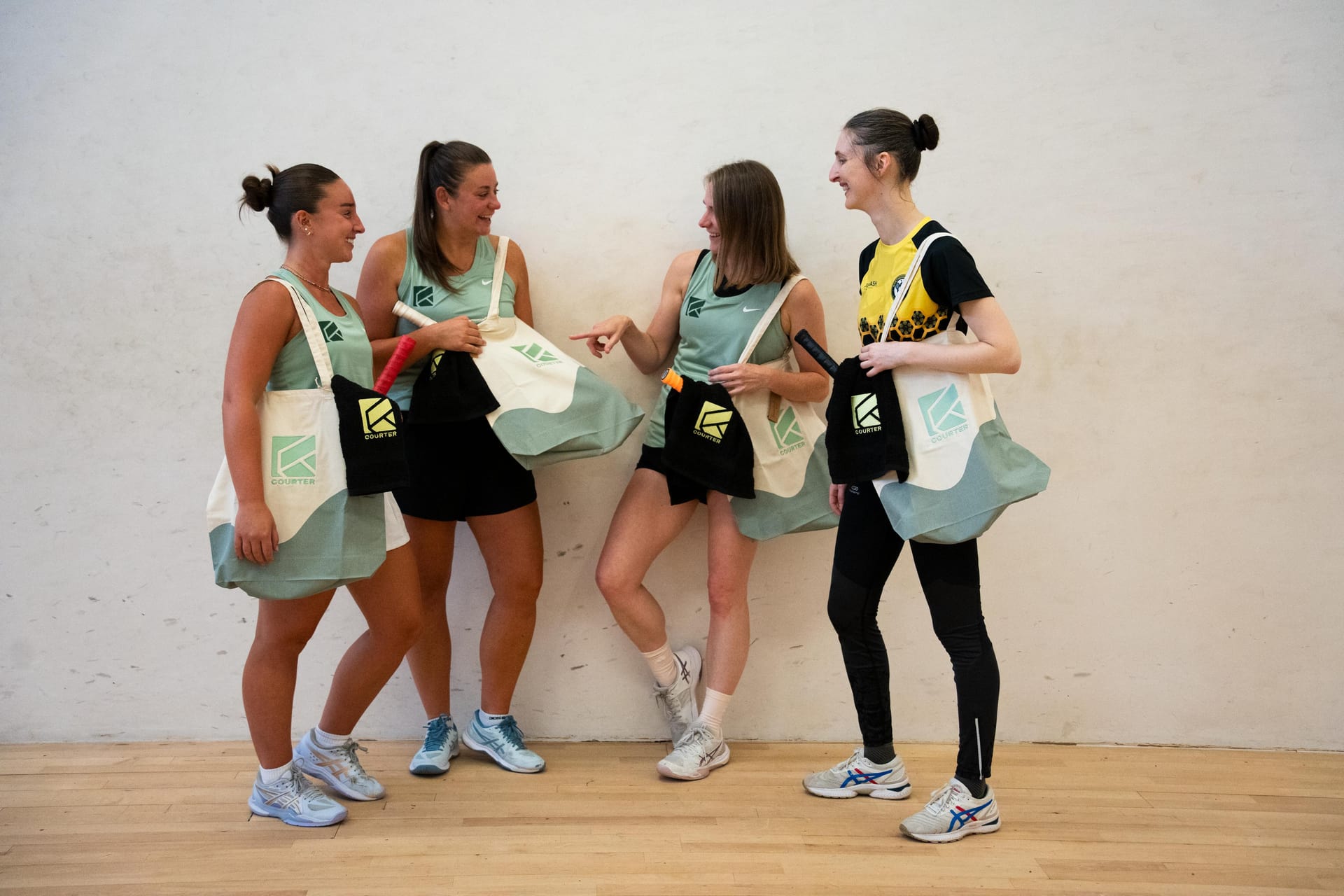
If you are a woman choosing a squash racket for beginners, or your next one, there are three things to look at: shape, weight and balance. Buy a teardrop. Buy light, around 120 to 125 grams. Buy even balanced or head light.
The advice out there does not match up, and very little of it is written specifically for women. Some buying guides point beginners towards a head heavy racket for easy power. I think that makes the hardest part of learning squash harder.
What the racket buying guides say
I read some of the buying guides before writing this. These are the ones that come up when I google ‘best squash racket for women beginners’. Most are written by shops, and they are great on the facts: weight, balance, head shape and strings. If you want the detail, start with those.
Two things stand out.
The guides do not agree with each other. And each one gives a single answer for every beginner. The same racket for someone who has played tennis for twenty years and for a woman picking up a racket for the first time. A beginner man and a beginner woman, as in many sports, are not the same.
Google ‘what squash racket should a female player buy’ and women do get a mention, but the advice still does not match. Newitts says light rackets are often the choice of female players, then says they really suit more skilled players. An American guide from Dick's Sporting Goods says women often use light rackets, then steers them towards more weight in the head if their swing is not powerful. So which is it?
Google's own AI summary gets closer. I searched ‘best squash racket for women beginners’ on 11th November 2026. It suggested a teardrop shape, a weight of 120 to 150 grams and a bouncier ball. That is better advice, though even that range runs heavier than I would go. Then it listed four rackets, and three of them weigh 155 to 195 grams. That is 20 to 60 grams heavier than anything our coaches play with.
The case for head heavy is a fair one. Weight in the head carries through the ball, so you get more power for less effort. It can help a beginner get the ball to the back of the court. But that power comes at a cost, and it is at the expense of the hardest skill a beginner has to learn.
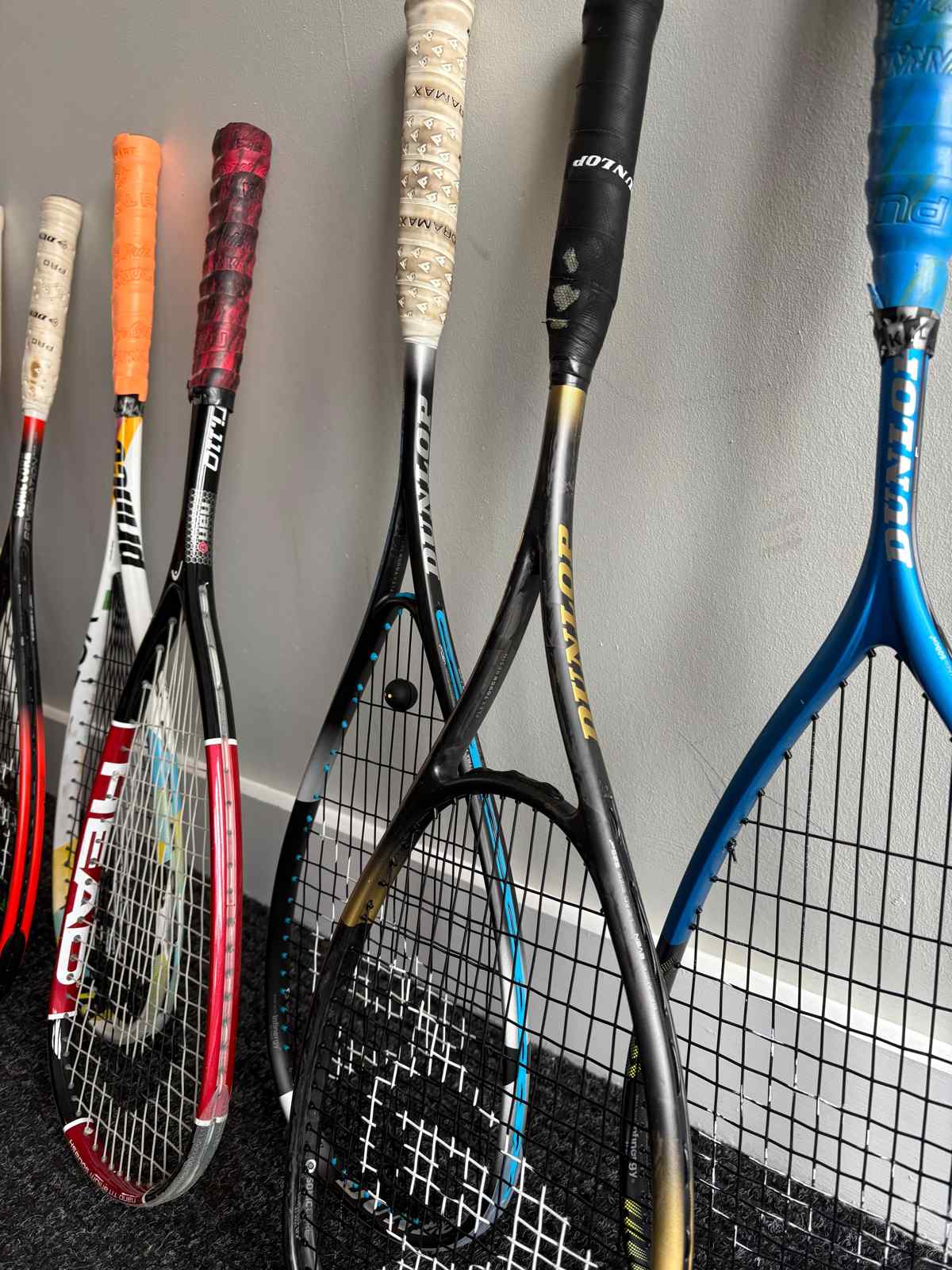
Why a head heavy racket feels heavy
Balance is where the weight sits along the racket. Closer to your hand is head light. Closer to the top is head heavy. In the middle is even.
Think back to your GCSE science classes. The further the weight sits from the pivot, the heavier it feels. It is the same for squash: the further the weight is from your hand, the harder your wrist and forearm work to hold it ‘up’. My Squash says it plainly in its balance guide: a head heavy racket puts more load on the wrist and forearm. How a racket feels in motion matters more than the grams.
So two rackets with the same number printed on the frame can feel completely different in your hand.
The hardest part: racket up, wrist cocked
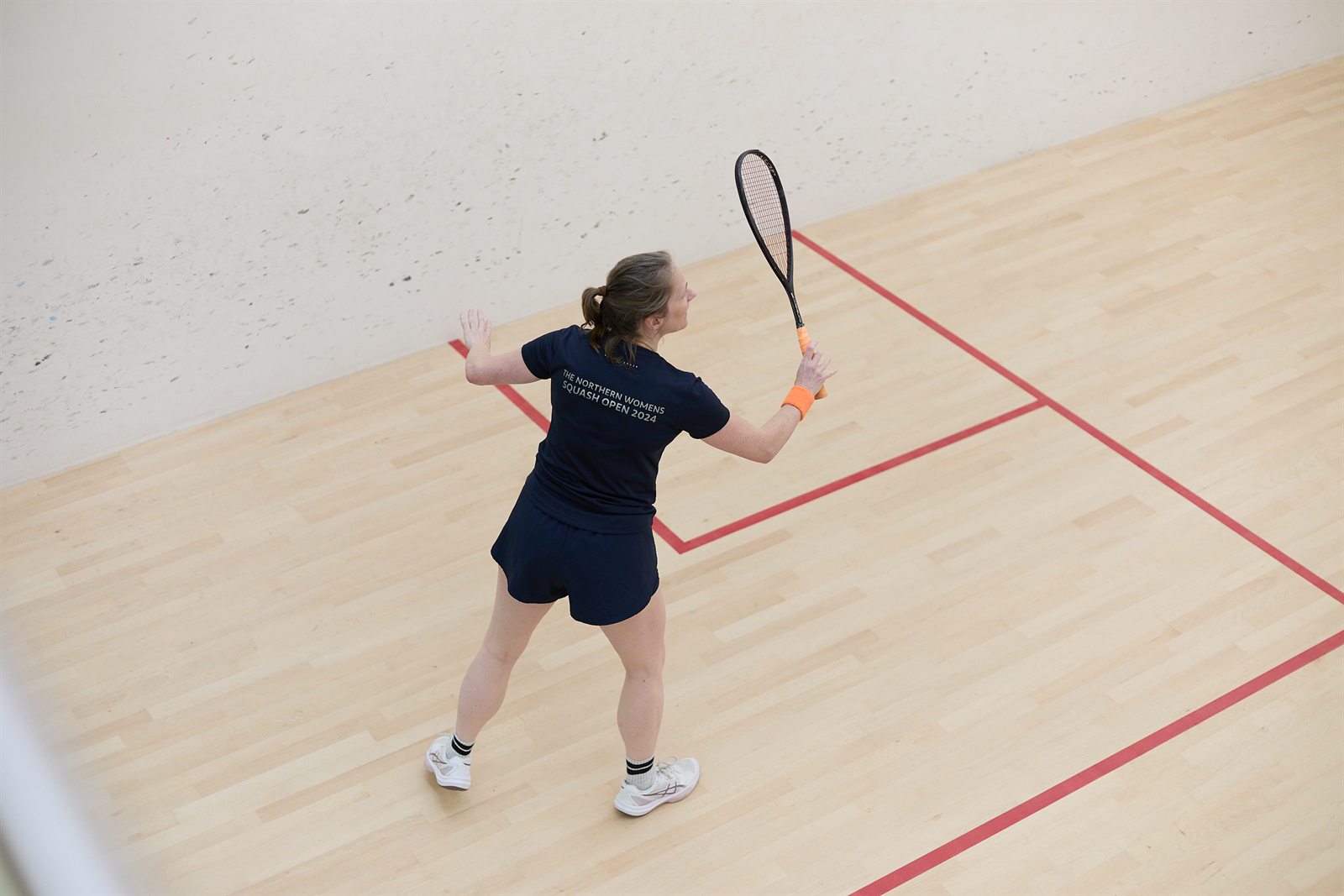
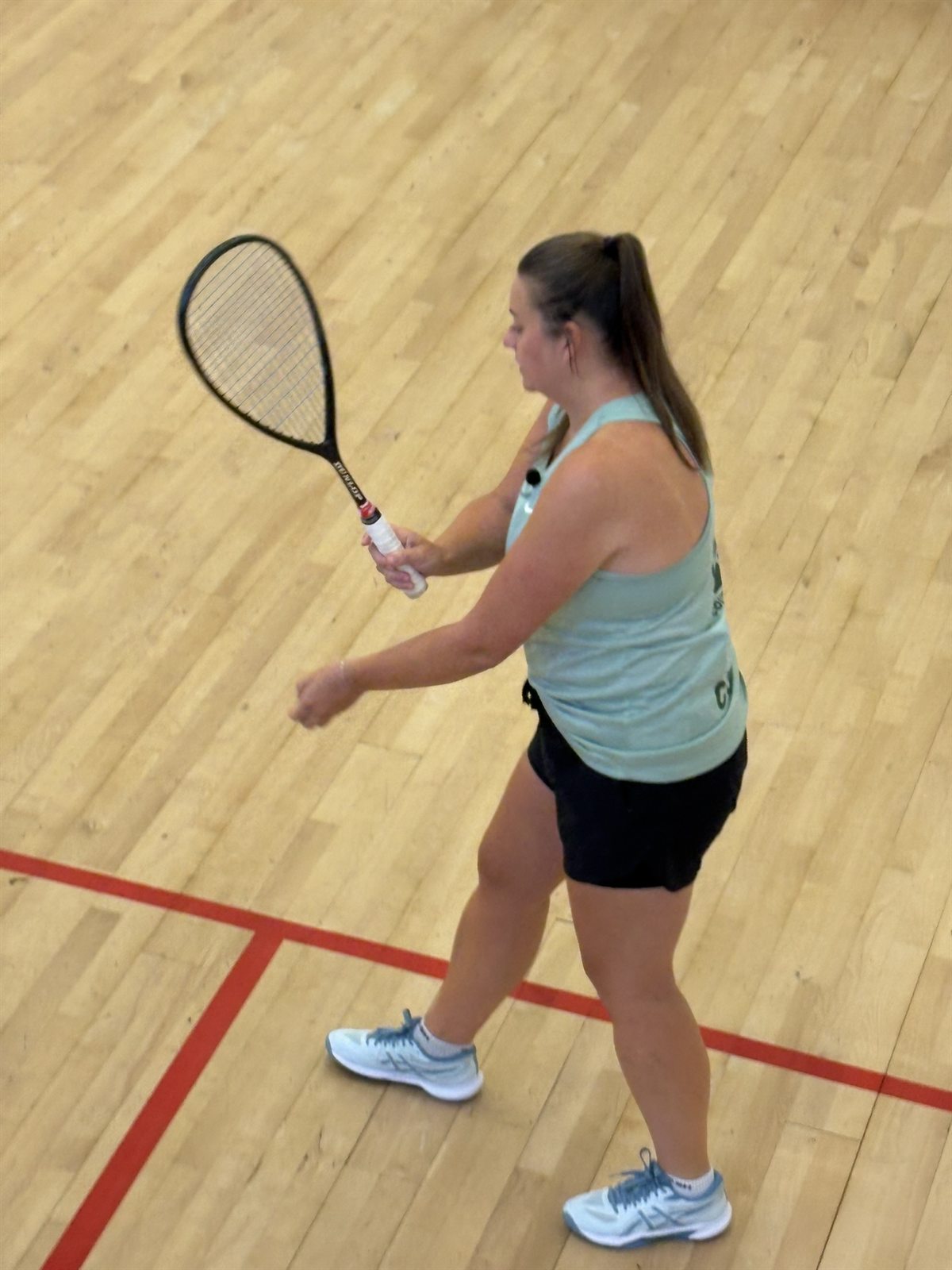
One of the hardest things for a beginner is getting used to holding the racket up with a cocked wrist. Racket head above your hand, ready before the ball arrives.
It feels awkward at first. It gets easier, and I cover it in video 3 of our free beginner series. The muscles and tendons that hold your wrist there sit in your forearm, and for most new players they have never been asked to do this job.
Now put the extra weight at the far end of the racket. The wrist drops. The racket head drops with it. The swing starts late and from too low.
Why I say this as a woman
Every buying guide has a reader in mind. In many of the guides I read, that reader is assumed to have a strong wrist and forearm.
Many of the women I coach are adults starting from scratch with a physique different to a man's. Not everyone played racket sports as a child.
This is not about women being weaker. It is about where you are starting from. For a new female player, easy power solves the wrong problem. The ball will reach the front wall either way, and a bouncier ball helps get it back. What she needs is a racket she can hold in the right position for a whole session.
The best squash racket for beginners: what Courter recommends
The three things to look at are shape, weight and balance.
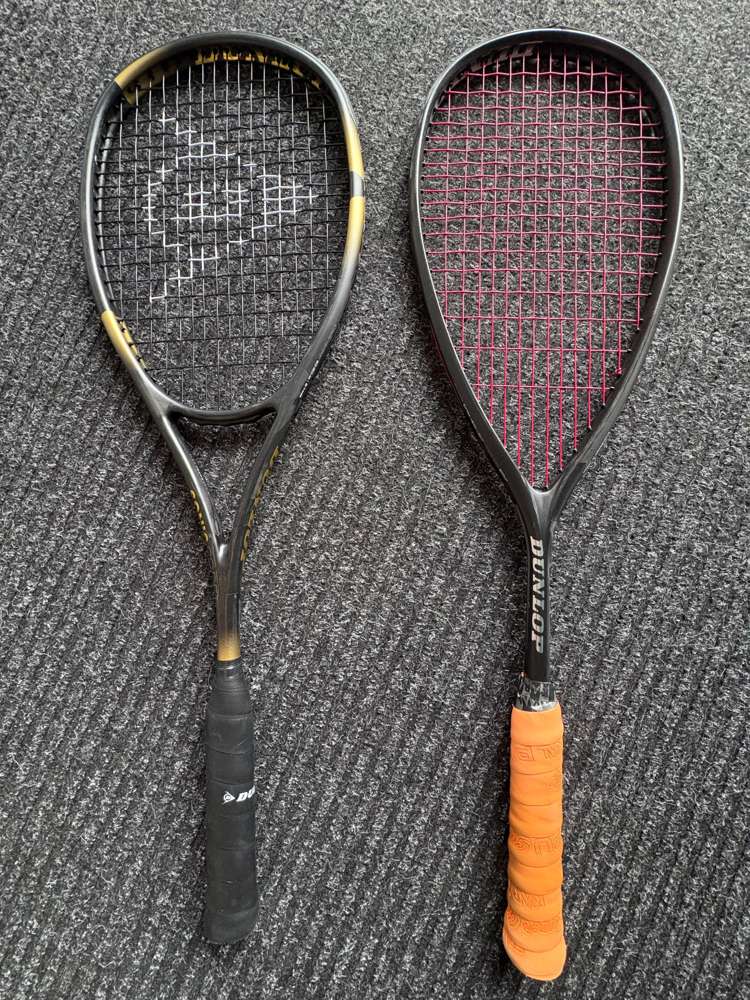
Shape: choose a teardrop. Rackets come in two shapes. On a teardrop, the strings run all the way down into the throat of the racket. A classic has a bar across the bottom of the head, so the head is smaller and rounder. Longer strings give a teardrop a bigger sweet spot and a greater chance of hitting the ball. A classic gives more control, but it is less forgiving when you miss the middle.
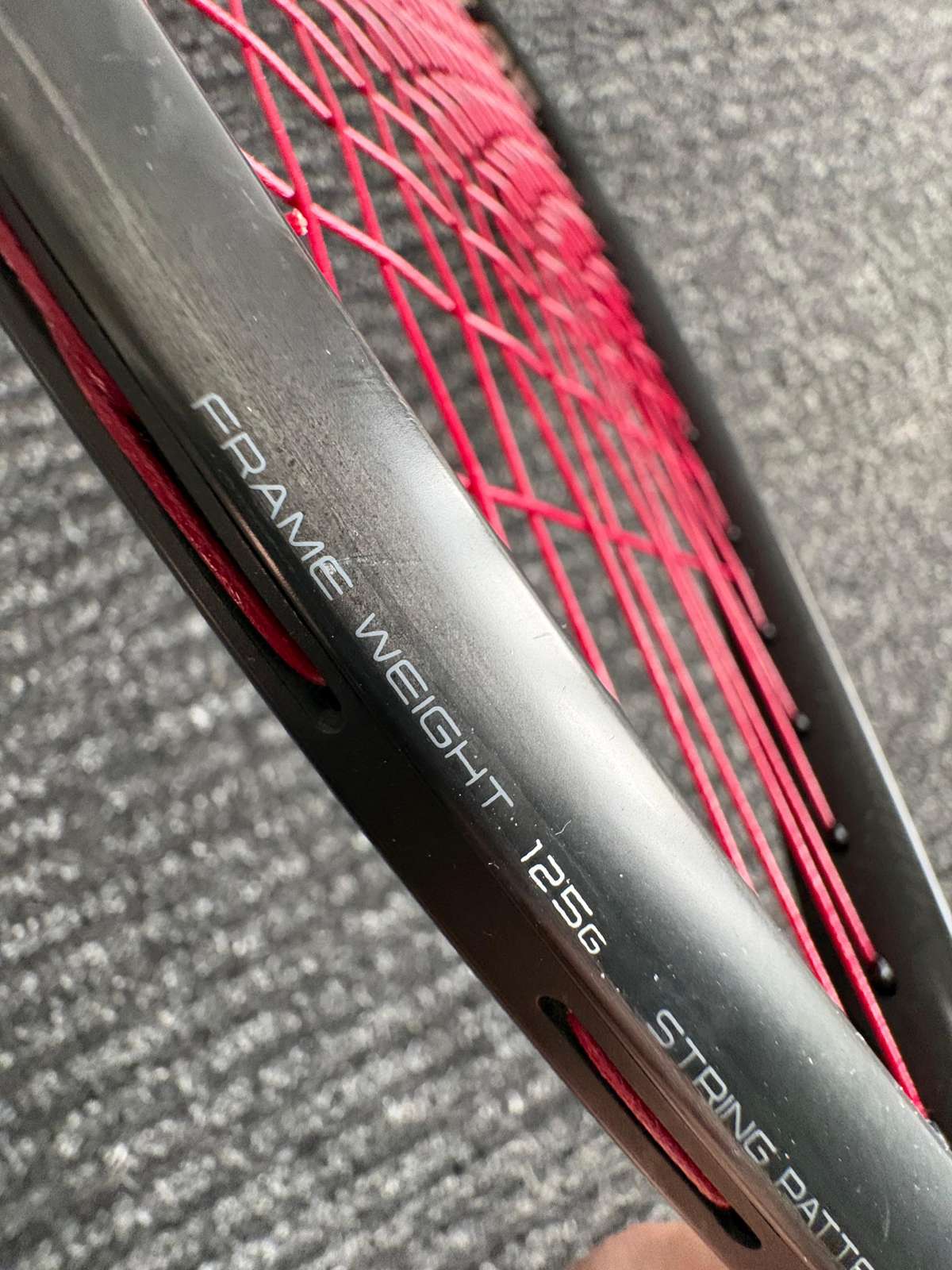
Weight: go lighter. Rackets weigh anything from 90g to 195g, with most between 115g and 145g. The weight is printed on the frame as the “unstrung weight” or “frame weight”. I play with the Dunlop Sonic Core Revelation 125. It weighs 125 grams and it is head light.
Balance: choose even or head light. The product description will say head light, even or head heavy. Go by those words, not the millimetres. Brands measure in different ways, so the numbers do not compare.
Spend less than you think. The guides put a sensible first racket at about £40 to £80. That is plenty.
Buying for someone else? A squash coaching gift voucher means they can try a few rackets with a coach first.
It is not forever. Your first racket will not be your last. As your technique and power grow, you may want something different, as Tesni did (spoiler alert). That is the time to try a head heavy racket. Until then, keep yours fresh by restringing it and changing the grip, and replace it when the frame cracks.
What squash rackets our female coaches play with
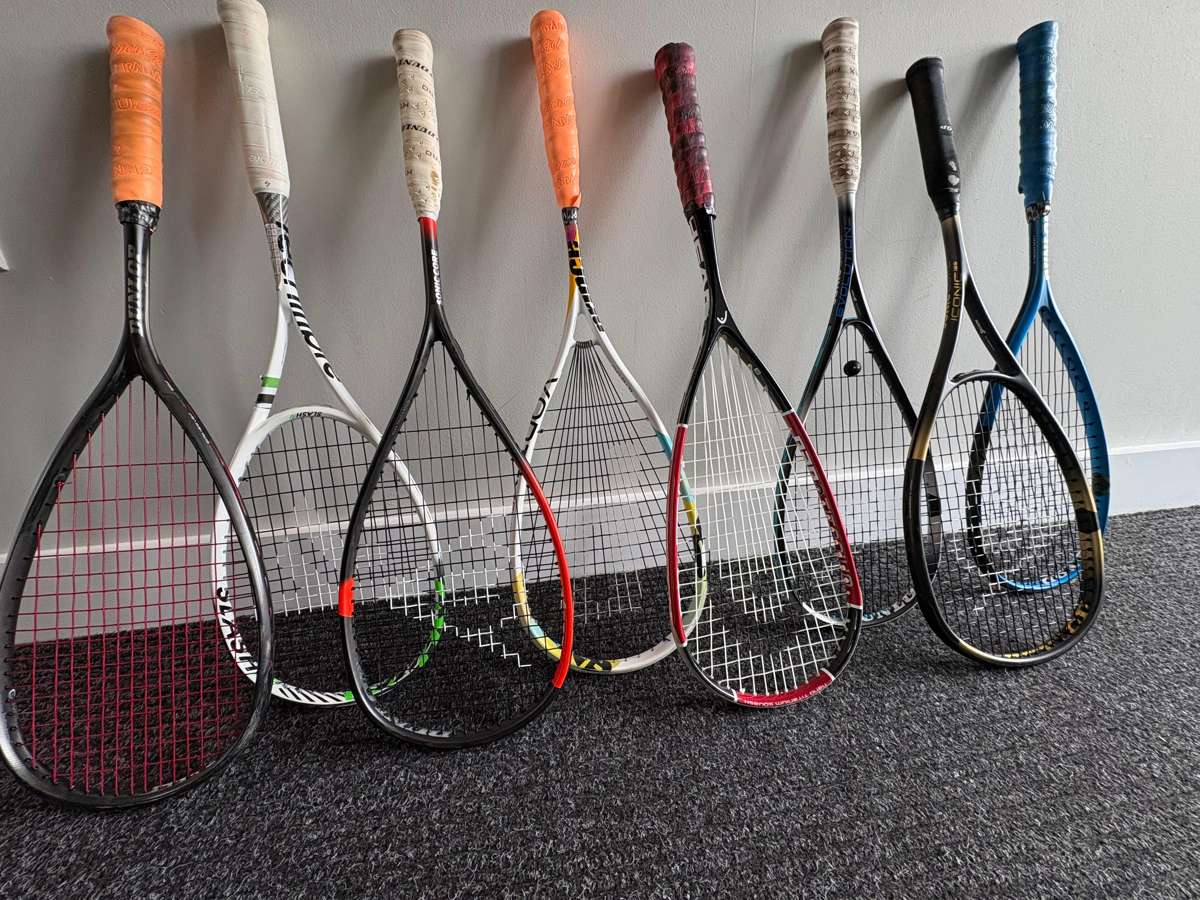
I asked some of the Courter coaches, all of them women, which racket is in their bag. Here is the list, lightest first.
Shape, weight and balance again.
All eight rackets are teardrops.
Nobody plays with anything heavier than 135 grams.
Six of the eight rackets are head light, even or mid balance.
There are many different makes and models, so there is no single right racket. But when women who coach for a living choose for themselves, they choose teardrop, light, and mostly head light or even.
What the female pros put their name to
Pros are paid to play their rackets, and they are far stronger than most of us. So this is not a shopping list. It is a pattern.
Three of our coaches play a racket from this list. Kiera plays Amanda Sobhy's. Rellie plays Emily Whitlock's. Jo plays Nour El Sherbini's.
Nour El Sherbini's racket is the one to notice. The NS version has a thinner handle than the standard model. It is one of the few rackets where a brand has changed the design to suit a woman's hand.
It is close to the pattern of our coaches. Every racket is a teardrop and none is heavier than 135 grams. Balance is mixed: two are mid balance or head light, three are head heavy, and the brand does not say for the other two.
So why would a pro choose head heavy? It is not one thing. Pros play with the double yellow dot, the slowest and least bouncy ball in squash. They have the technique to warm it up and keep it moving, but as Tesni says below, they still want more power. They also move incredibly fast, so they have less time to set up each shot. A little extra weight in the head may add power to those faster, punchier swings. Even so, the pros who choose head heavy still pick a light frame, 125 to 135 grams.
Beginners do not have that problem. A blue or red dot ball is bouncier, and it needs much less warming up. The ball does more of the work, so the racket does not have to.
Tesni Murphy on the racket that suits her
Tesni Murphy is a Courter Pro. She reached world number 9, won Commonwealth Games bronze for Wales in 2018, and has played Karakal since she was a teenager. I asked her which racket she plays with and why.
She plays with the Karakal T Pro 120. It weighs 120 grams, with a round head and a little more weight in the head.
“I chose this because I really like the round headed shape. I feel like it gives me more control, and I also like that it is slightly heavier in the head, which also helps me with some extra power. I like to feel like there is something there, so when I am playing, that extra bit of weight helps, whilst giving me the control that I need to play the way I like.”
Tesni chose this racket as a pro, once her technique was in place and she wanted more power. But look at the weight. It is 120 grams, the same as two of our coaches' rackets. The racket is not heavy. The extra weight sits in the head, where a pro can use it for power.
Her advice for someone starting out:
“I don't think there is a right or wrong. Everyone has their preference of shape, so that's more personal. But something that is probably initially lighter is a good place to start when beginning out, to get used to it!”
Squash racket questions
What weight squash racket should a beginner woman buy?
A light one. Every Courter coach we asked plays with a racket of 135 grams or less, and most play 120 to 125 grams. The weight is printed on the frame as the "unstrung weight" or "frame weight".
Is a head heavy squash racket good for beginners?
Not usually. Weight in the head gives easy power, but it makes it harder to hold the racket up with a cocked wrist, which is the hardest skill a beginner has to learn. Choose even balanced or head light.
Should I buy a teardrop or classic squash racket?
A teardrop. The strings run down into the throat, so the sweet spot is bigger and you are more likely to hit the ball cleanly. All eight Courter coaches we asked play with one.
How much should a first squash racket cost?
About £40 to £80 is plenty for a first racket.
Do I need a racket for my first squash lesson?
No. On Courter, your coach can bring a racket and a ball, so there is nothing to buy before your first session.
Try before you buy
The best racket advice is to hold a few before you pay for one.
On Courter, your coach can bring a racket and a ball, so there is nothing to buy before your first session. Ask her which racket she plays with and why. Have a go. Then buy.
New to lessons? Read what to expect at your first squash lesson.