
You feel great for the first twenty minutes. Legs are moving well. Reactions feel sharp. You're really enjoying yourself. Until all of a sudden, everything drops off. Your legs begin to feel heavy, concentration drops. Every rally feels much harder than it should. By the time you're walking off court, you are wiped. Even the thought of having to shower once you get home sounds like an effort.
For a lot of women playing squash, fitness is not the problem.
It's fuel. What you eat before squash matters more than most players realise.
How squash actually demands your body
Cited by Forbes magazine as ‘the healthiest sport in the world’, squash is crowned as one of the best sports for not only cardiovascular strength but for muscular strength also. In just one hour of squash, players can burn up to 1000 calories while utilising a full body muscular workout. The constant acceleration, changes of direction and recovery periods are physically demanding.
This is where nutrition plays a big role. When energy output is high, energy input needs to rise too. Think of it like a seesaw – both sides need balancing.
The 7pm squash problem
For many people, routine can consist of coffee in the morning. Busy day. Small lunch and straight to squash at 7pm. This is not a lack of discipline. Most women are very busy. But your body takes note of these things.
Carbs are not the enemy
Now to get a bit more specific. In a world where carbs are the enemy, let's reframe that thinking.
Carbohydrates are what provides our body with energy. Energy to run around a court. Energy to make decisions of where to put the ball. Energy to make our time on court enjoyable and to motivate us. They matter on training days and rest days alike — your body uses them constantly.
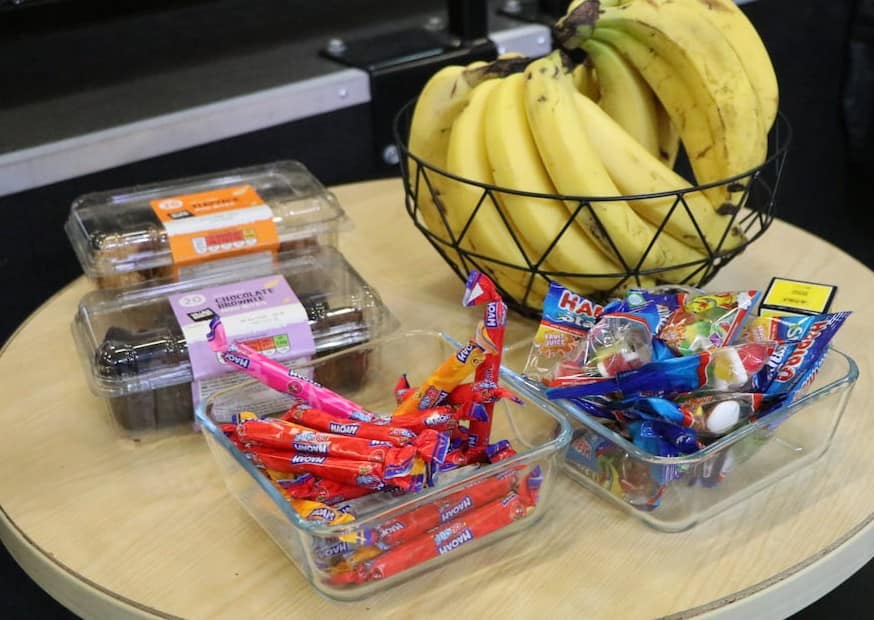
Carbohydrates come in many different forms – bananas, rice, pasta, breads, yoghurts, fruit, fruit juice, cereal. In an ideal world, eating a meal containing carbohydrates 2-3 hours before is what we want.
What to eat before squash: the 45-minute top-up
I know many people will shriek when they see this next bit. But yes, we want to further load up 45-60 minutes before we step on court. This is where small carbohydrate snacks are ideal.
Shriek again.
Cereal bars, biscuits, pancakes are excellent choices at this point. We want high energy food here and that is our priority.
We also need to think digestion. I know many will see this word and feel their cheeks go a bit rosy. To help ensure no running to the loo on court, we need to understand our bodies. Understand what suits us. That is why I suggest pancakes — easy to digest and no fibre to send me to the loo mid-session in a frenzy of embarrassment!
Mid-session fuel
Our last dose of carbohydrates. The fancy wording being ‘intra training fuelling’.
When a session goes beyond 60-90 minutes, our body requires additional fuel. An energy drink, some jellies, a few bites of a cereal bar.
After the court: recovery

Moving onto post training. Stepping off the court, feeling slightly nauseous at the thought of food after running around. 20 minutes later, the hunger hits. Rummaging through the cupboards begins.
This is where we need to fuel our body for the hard work it has put in. We still want carbohydrates (they are never the devil!!). Our body now is prioritising recovery.
The famous ‘protein’ that you see advertised on every second product in the shop. However, protein is also essential. It is also very accessible through food. Fancy protein shakes are not the be all end all. We can find protein in abundance in various foods including chicken, fish, red meat, beans, pulses.
What this is going to do is promote recovery in your muscles. You know when you wake up the day after playing squash and you struggle to walk downstairs? Probably needed to up your protein.
Include it in each meal. Breakfast. Yes, you should eat breakfast. Lunch. Snacks too. Yes, snacks are important. And dinner! Perhaps even dessert, as a personal lover of sweet treats, I always encourage dessert.
Fuel matters as much as training
More women are getting into squash because the sport is more accessible. Platforms like Courter are making coaching feel less intimidating and more flexible. Especially because we know how busy women can be!
But on top of that, performance conversations matter too. You don't need to train like a professional athlete to “deserve” proper fuel. Your body does a lot and fuel is necessary.
Most of the time, better energy on court comes from better fuel, not training like a maniac.
The goal isn't perfection. It's stepping onto court feeling energised, strong and actually able to enjoy the game.
Squash is a whole lot more fun when your body actually has the fuel to keep up.
Quick answers: what to eat before squash
What should I eat 2-3 hours before squash?
A meal with carbohydrates — rice, pasta, bread, or cereal-based dishes work well. Pair with a protein source if you can.
What's the best snack 45 minutes before squash?
A small, easy-to-digest carbohydrate snack. Cereal bars, biscuits, or pancakes are ideal.
Do I need to eat during a squash session?
For most one-hour sessions, no. For sessions over 60-90 minutes, an energy drink, jellies, or a few bites of a cereal bar will help.
What should I eat after squash?
Both carbohydrates and protein. Carbs for recovery, protein for your muscles. Don't wait too long — 20 to 30 minutes after stepping off court is ideal.
Ready to put this into practice? Book a session with Alessia →